
Planets & Zodiac — 10 Immersive 3D Scenes
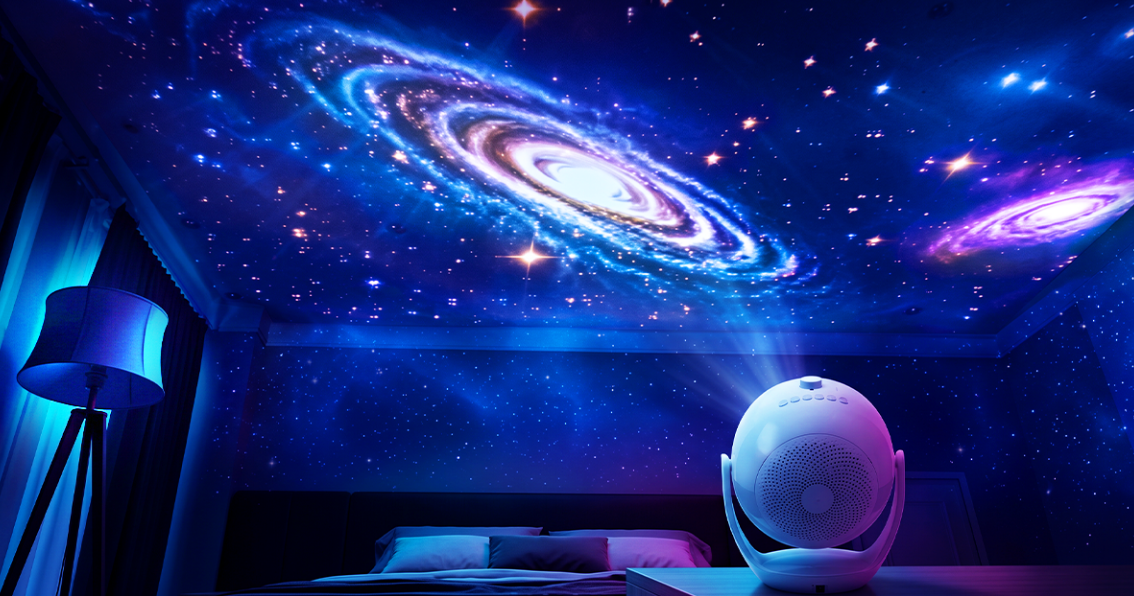
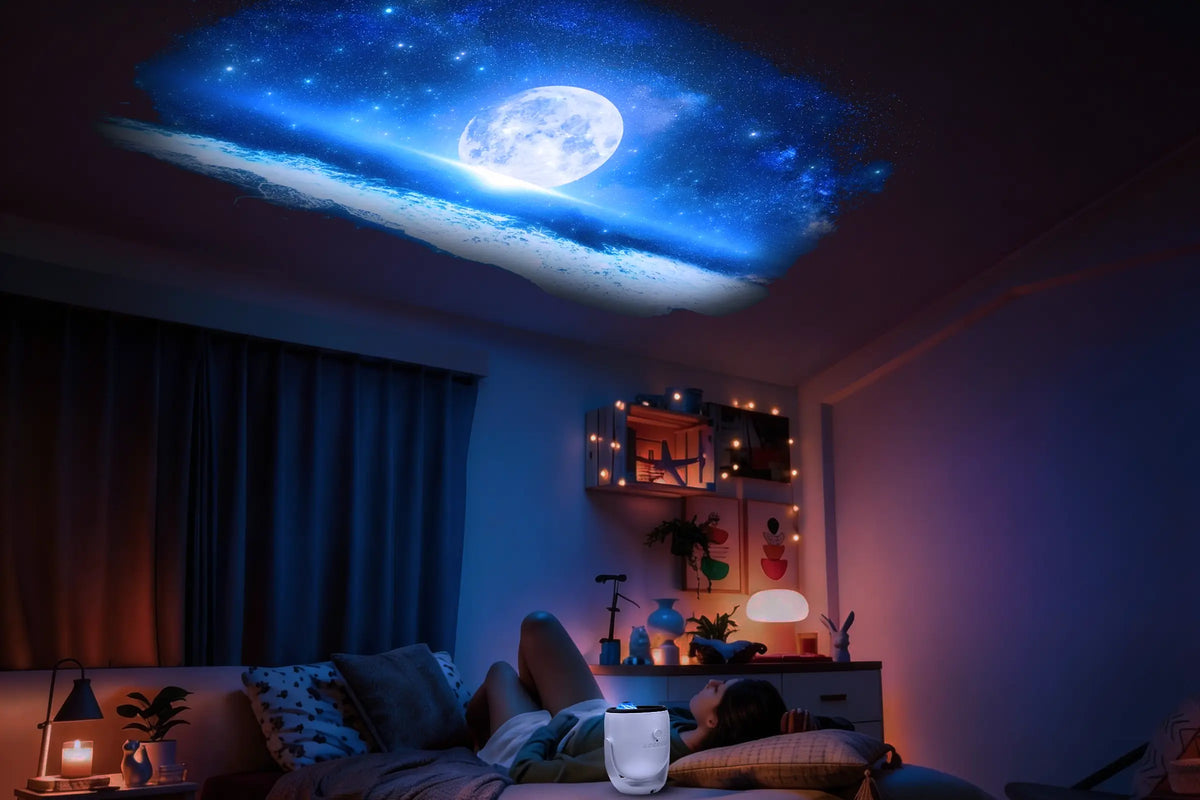
Imagine this: the lights are off. Your ceiling is no longer white drywall. It's Neptune — a blue giant 4.5 billion kilometers away — rotating silently above your bed. The winds on its surface are moving at 2,100 km/h. You can't hear them. But you can see them.
That's what the next 6 minutes are about. Ten windows into space, one for each night.
Neil deGrasse Tyson once said, "We are part of the universe. We are in the universe and the universe is in us." The Twelvetooo 3D01 doesn't just project images. It invites you to feel that connection, one scene at a time.
The 10 Stories
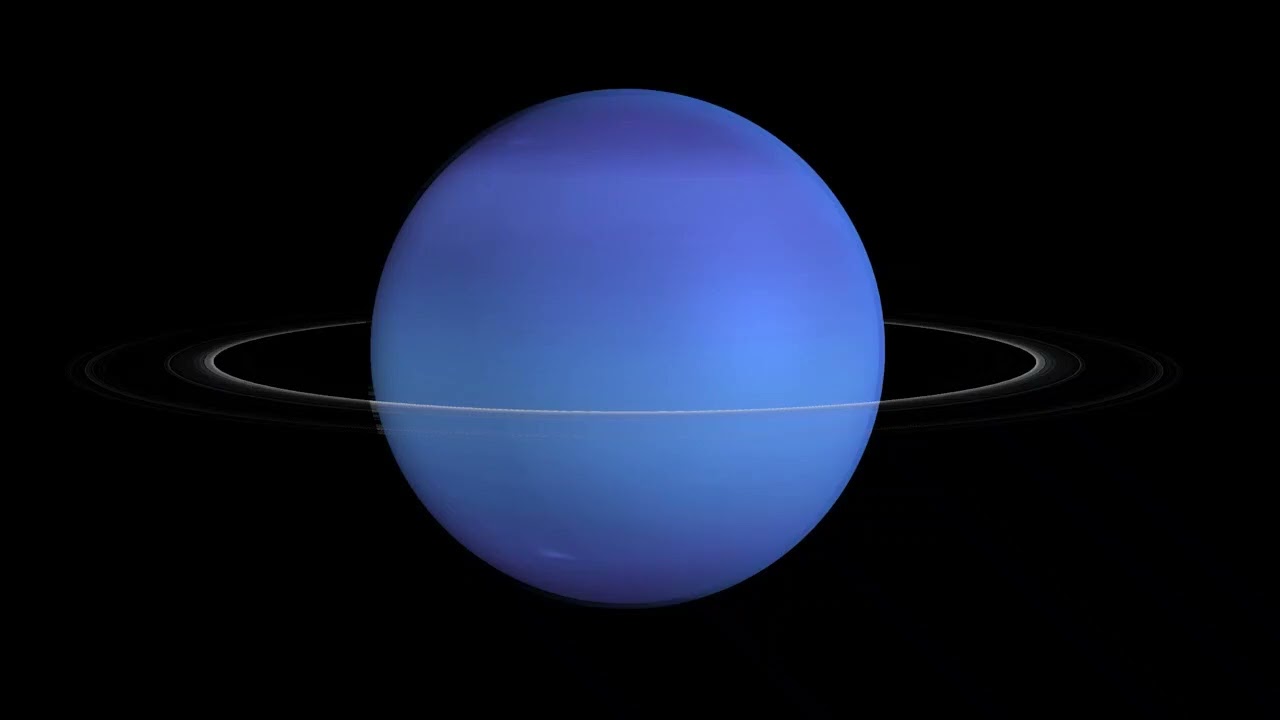
Neptune 4:31
Supersonic winds. Methane skies. Silence. The most distant planet in our solar system is a world of supersonic winds and an icy, methane-rich atmosphere that gives it that hauntingly beautiful blue. When you look at Neptune, you are looking at a place where sunlight is so faint it is almost a rumor. The swirling storms you see are not just weather; they are the remnants of a violent, distant history.
Uranus 4:01
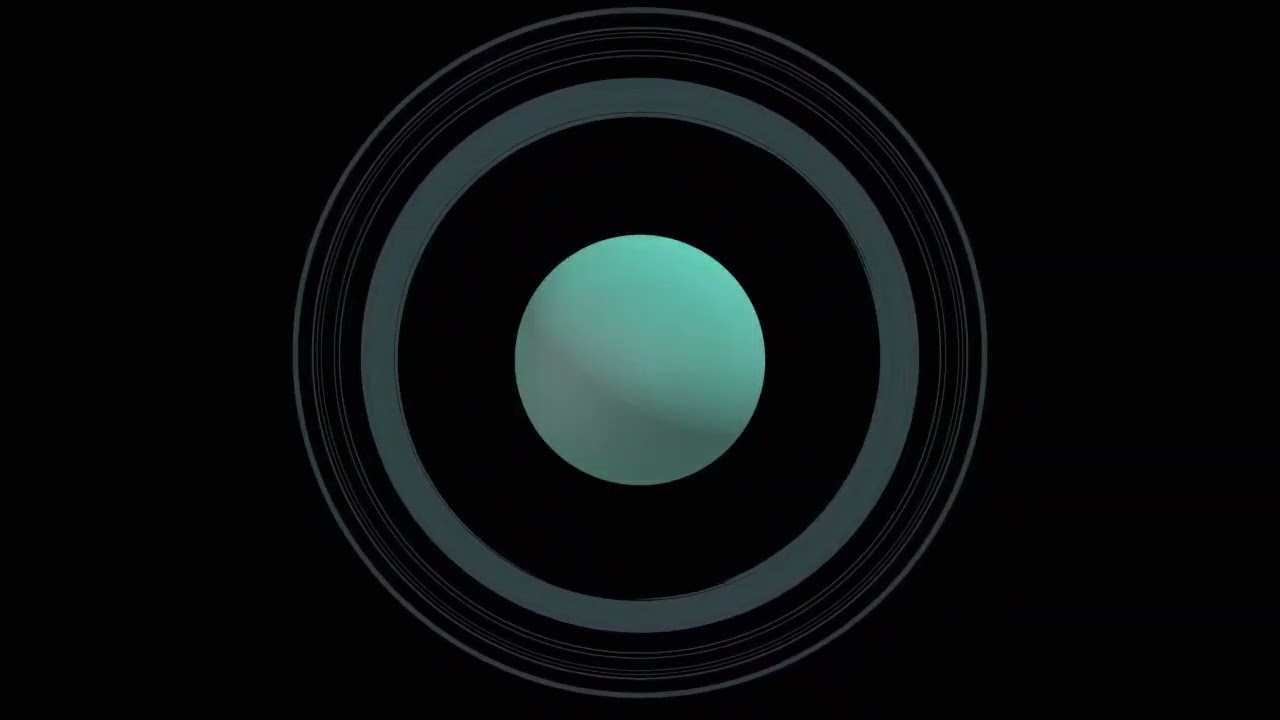
A planet that rolls on its side. Uranus is the oddball. It rotates on its side, likely the victim of a colossal ancient collision. As it rolls around the Sun, its pale cyan face is bathed in a strange, tilted light. Watching it, you realize the solar system is not a perfect clockwork; it is a place of scars and survivors. Its delicate rings are a ghostly whisper of the violence that shaped it.
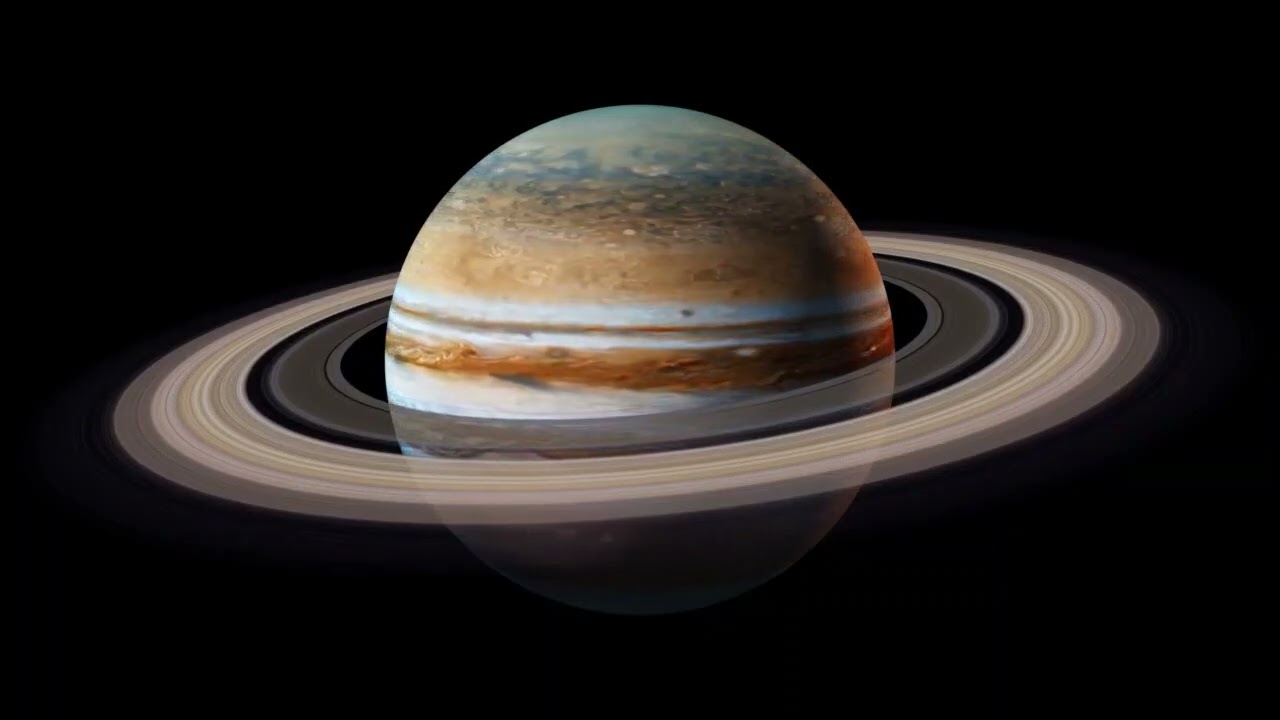
Saturn 4:01
Billions of icy shards, dancing in the light. The jewel. Those rings are not solid; they are a dance of billions of icy fragments, each following its own orbit. Saturn is a gas giant so light it would float in water, yet its presence is commanding. As the light plays across the rings in this 4K scene, you are witnessing a spectacle that has inspired every civilization that ever looked up. It is the solar system's grandest architecture.
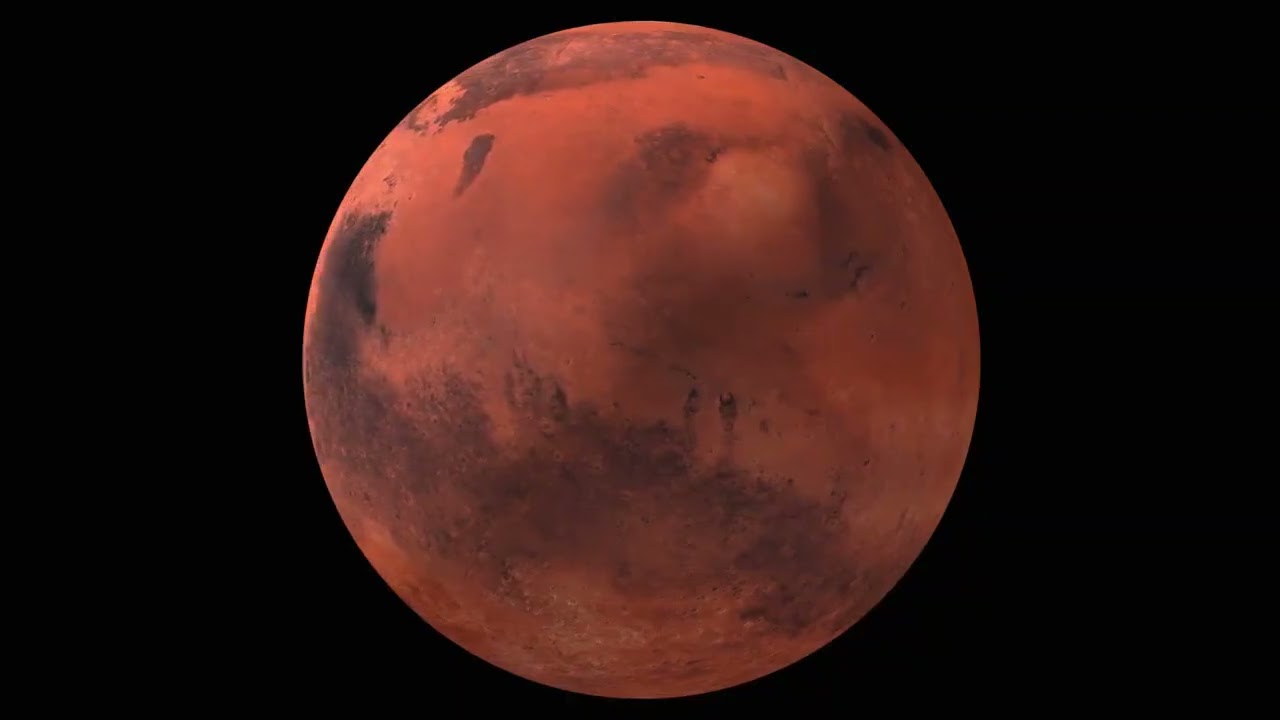
Mars 4:01
A graveyard of dreams and a frontier of hope. The Red Planet. Our first step. Mars is a graveyard of dreams and a frontier of hope. The rusty dust is iron oxide—literally rust—reminding us that this world once had water, and perhaps, life. The canyon-scarred surface in this scene is a map of ancient catastrophes. When you gaze at Mars, you are looking at our own future, and our own past.
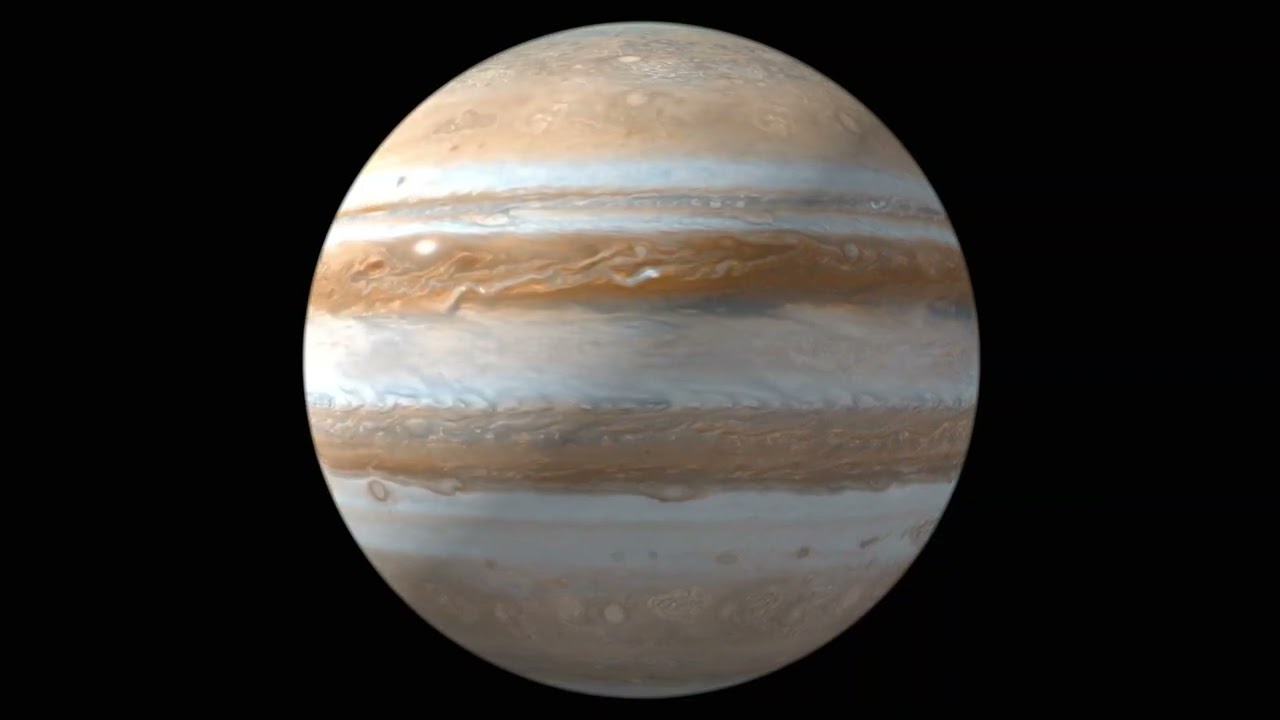
Jupiter 4:06
A storm larger than our entire planet. The King. Jupiter is a failed star, a ball of gas so massive it could swallow 1,300 Earths. The Great Red Spot is a hurricane larger than our entire planet, raging for centuries. To witness Jupiter is to feel the sheer, intimidating scale of the universe. It is the silent guardian of the inner solar system, its gravity a shield against wandering comets.
"Look again at that dot. That's here. That's home. That's us."
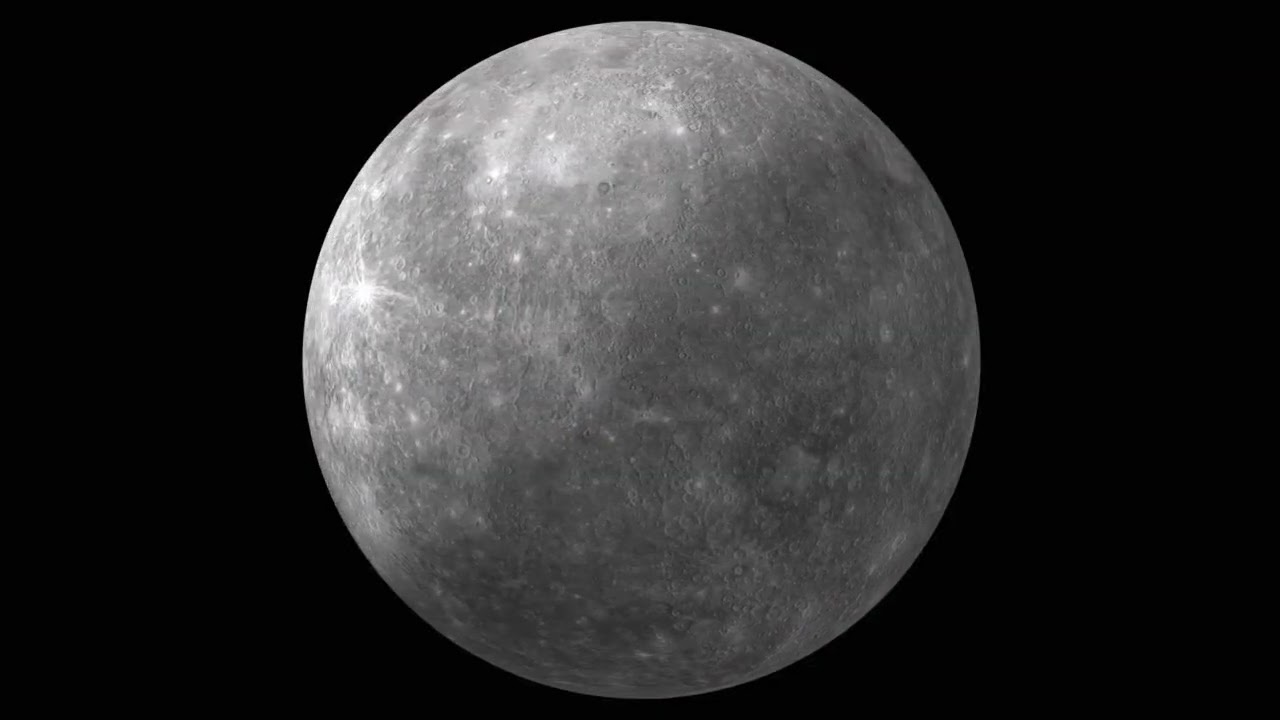
Mercury 4:01
Scorched on one side, frozen on the other. A world of extremes. Mercury has no atmosphere to speak of. It is scorched on one side and frozen on the other. Its surface is a record of every impact it has ever suffered, preserved in silence. It is the swiftest planet, racing around the Sun, yet it lives in perpetual stillness. Mercury teaches us that beauty can be stark, and survival is a matter of endurance.
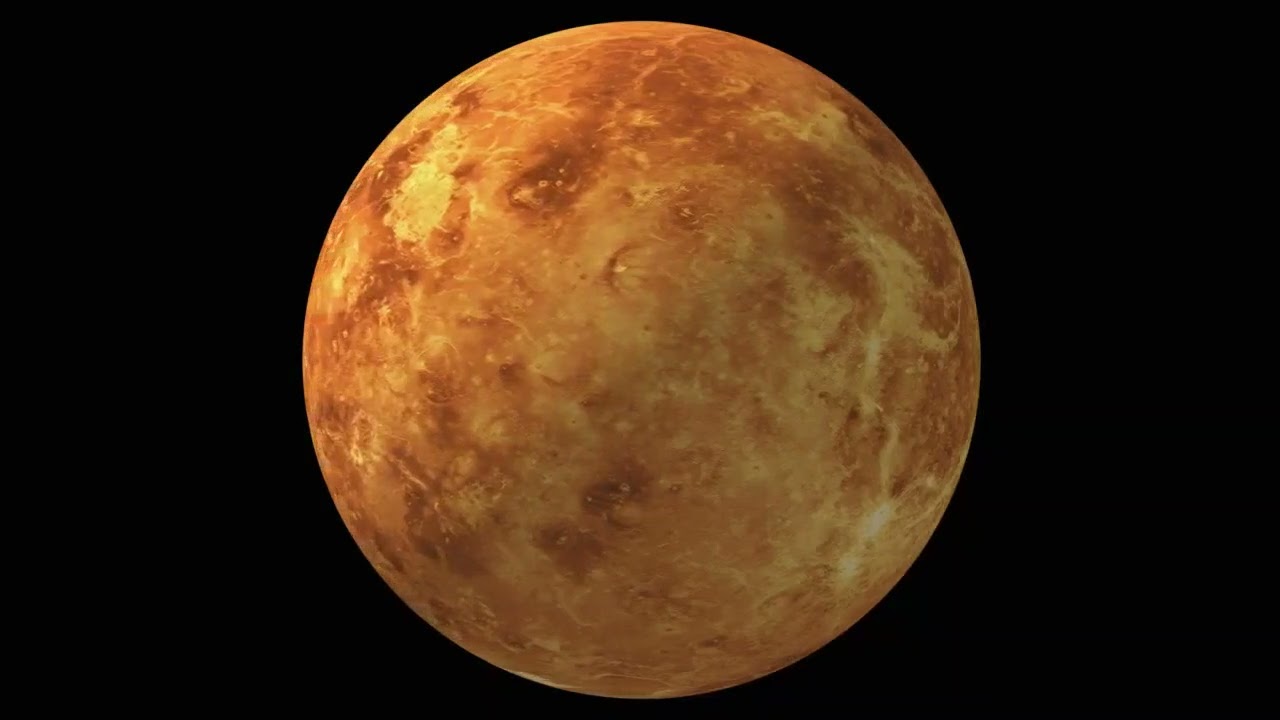
Venus 4:01
A twin gone wrong. A mirror we can't look away from. The Morning Star. Venus is Earth's twin gone wrong. Beneath those golden clouds of sulfuric acid lies a surface hot enough to melt lead. It is a cautionary tale of a runaway greenhouse effect. As you watch its radiant glow, you are looking at a planet that was once perhaps like ours, but is now a hellscape. It is a mirror we cannot look away from.
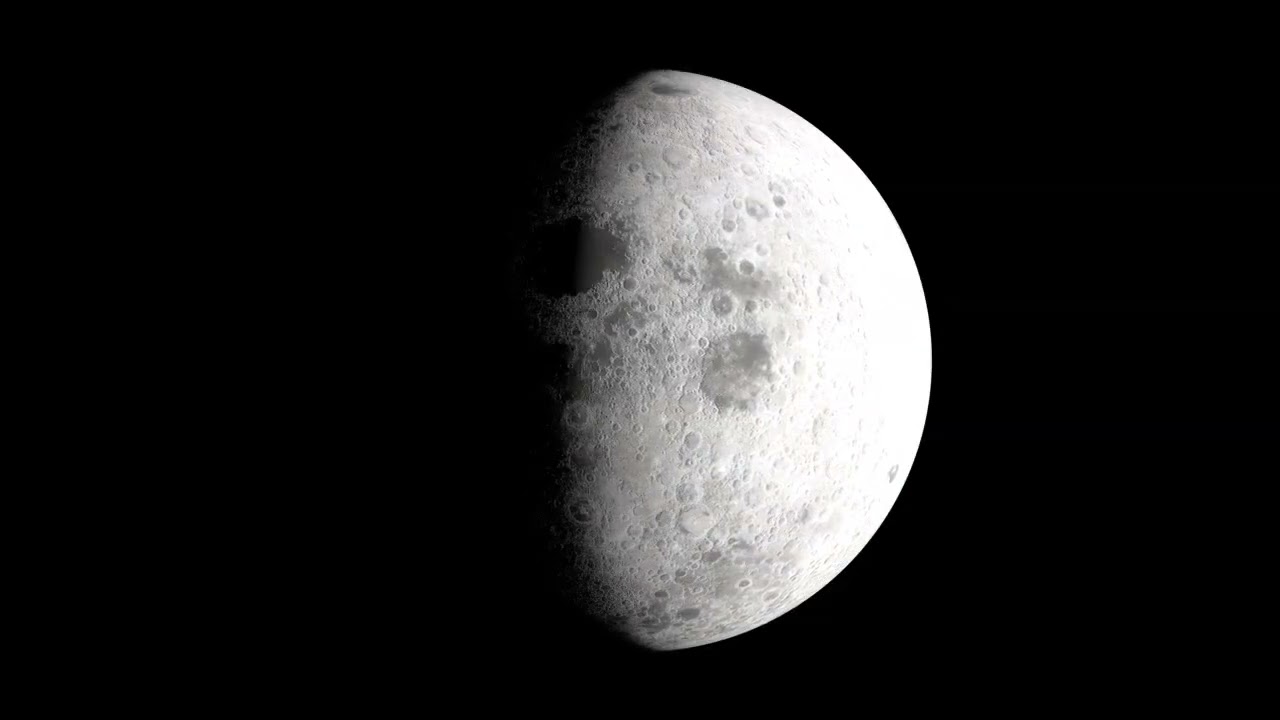
Lunar Eclipse 3:41
A shadow play on a cosmic scale. The Earth passes between the Sun and the Moon, casting a reddish shadow—the "Blood Moon." For ancient civilizations, this was a sign of doom. For us, it is a reminder of our place in the celestial mechanics. Watching the shadow slowly creep across the lunar surface is like watching time itself pass by.
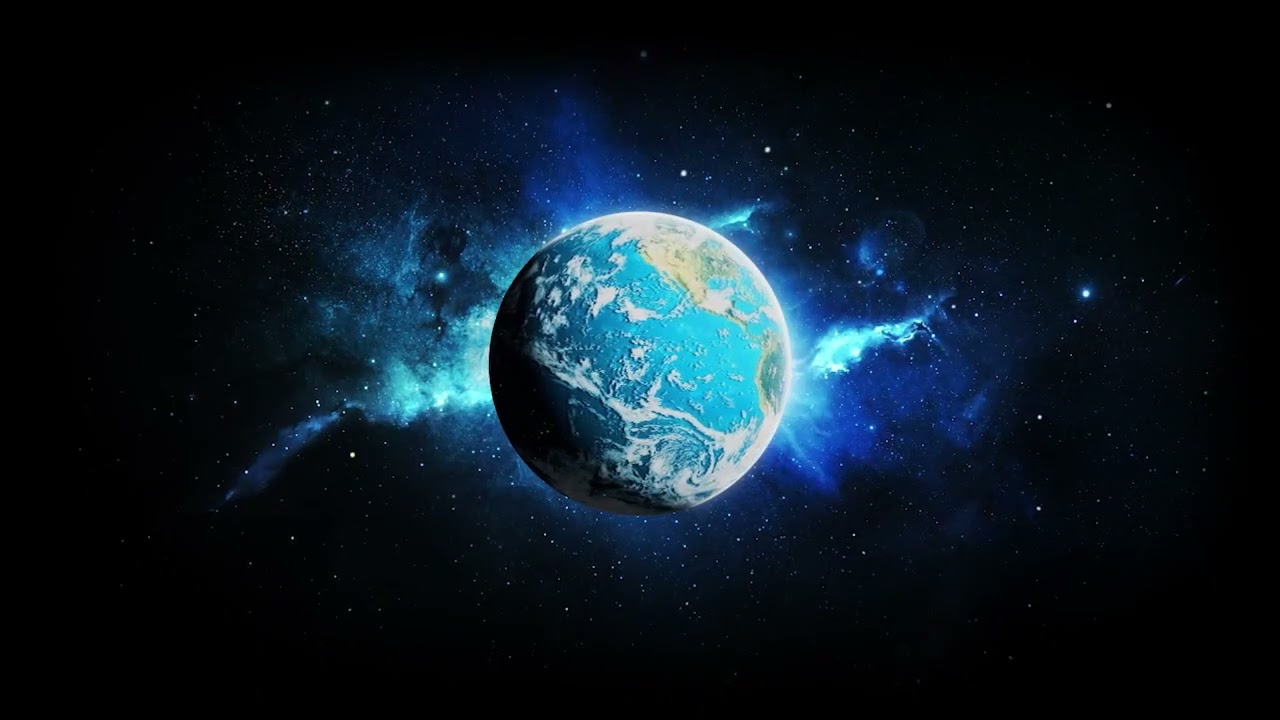
Earth's Rotation 4:06
The only place in the universe where we know life exists. Home. The Blue Marble. As it spins in the darkness, you see the clouds swirl, the continents drift, and the thin blue line of the atmosphere—the only thing protecting us from the void. It is the only place in the universe where we know, for certain, that life exists. Watching the Earth rotate from your ceiling is the most humbling view of all.
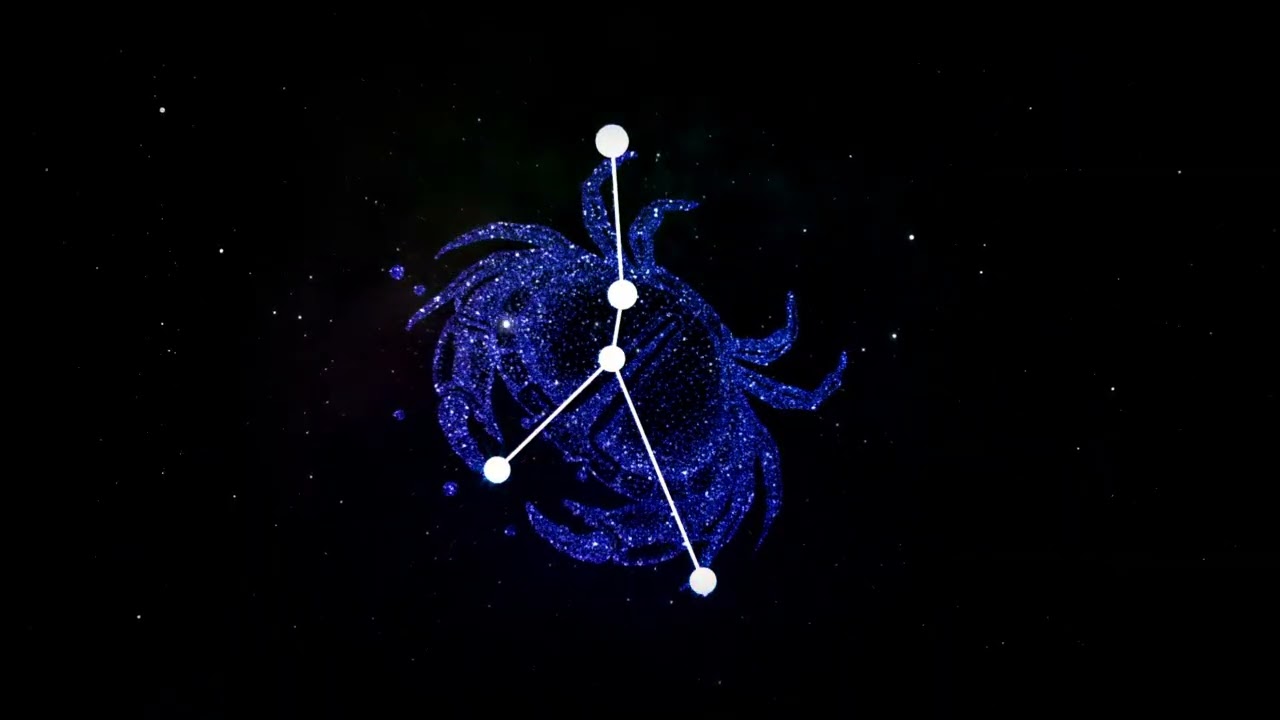
Zodiac Sign 2:49
Before astronomy, there were stories. Before there was astronomy, there was the zodiac. Our ancestors looked at these same stars and drew pictures of gods, beasts, and heroes. They told stories to explain the unknown. This scene connects us to that ancient wonder. As you trace the celestial lines, you are participating in a tradition of storytelling that stretches back thousands of years.
From the Infinite to the Intimate
These 10 stories are not just light projected on a surface. They are a reminder that we are, as Carl Sagan famously said, "a way for the cosmos to know itself."
When you turn off the lights and look up, you are not just looking at planets. You are looking at the same skies that guided ancient sailors, sparked revolutions in science, and inspired generations to look up and dream.
Tonight, try this.
Turn off the lights. Lie down. Press play on Neptune.
Give it 4 minutes and 31 seconds. Don't check your phone. Just watch.
That's the whole product. That's the whole point.
🛋️ How Will You Use Your Window to Space?
Immersive Relaxation
After a long day, turn off the lights, lie back, and watch the Earth spin silently above you. "Sunday, 11 pm. Lights off. Neptune fills the ceiling. The day dissolves."
Parent-Child Space Class
Turn bedtime into a journey of discovery. Point out Saturn's rings, count Jupiter's storms, and explain why Mars is red. "Your kid asks, 'Why is Mars red?' Tonight, you can show them instead of telling them."
Ignite Curiosity
Whether you are an astronomy buff or a sci-fi fan, tracing the Zodiac lines or watching a lunar eclipse up close makes learning deeply engaging. "Trace the Zodiac lines your ancestors drew. Suddenly history feels personal."
Date Night Under the Stars
Skip the drive to the observatory. Dim the room, play a slow scene, and let the cosmos set the mood. "No reservation needed. Just the two of you and 100 billion stars."
🌌 Explore All 15 Series
This is just the beginning. The Twelvetooo 3D01 features 100+ 3D scenes across 15 themed series:
🪐 Your Window to the Cosmos Awaits
Transform your ceiling into a breathtaking journey through space, and fall asleep under the stars every night.
🔗 Explore Twelvetooo 3D01✔ Free shipping · ✔ 30-day returns · ✔ 10,000+ stargazers
Share:
Moving Firefly Lights Review: HW07D Outdoor Projector at 15–45 ft